
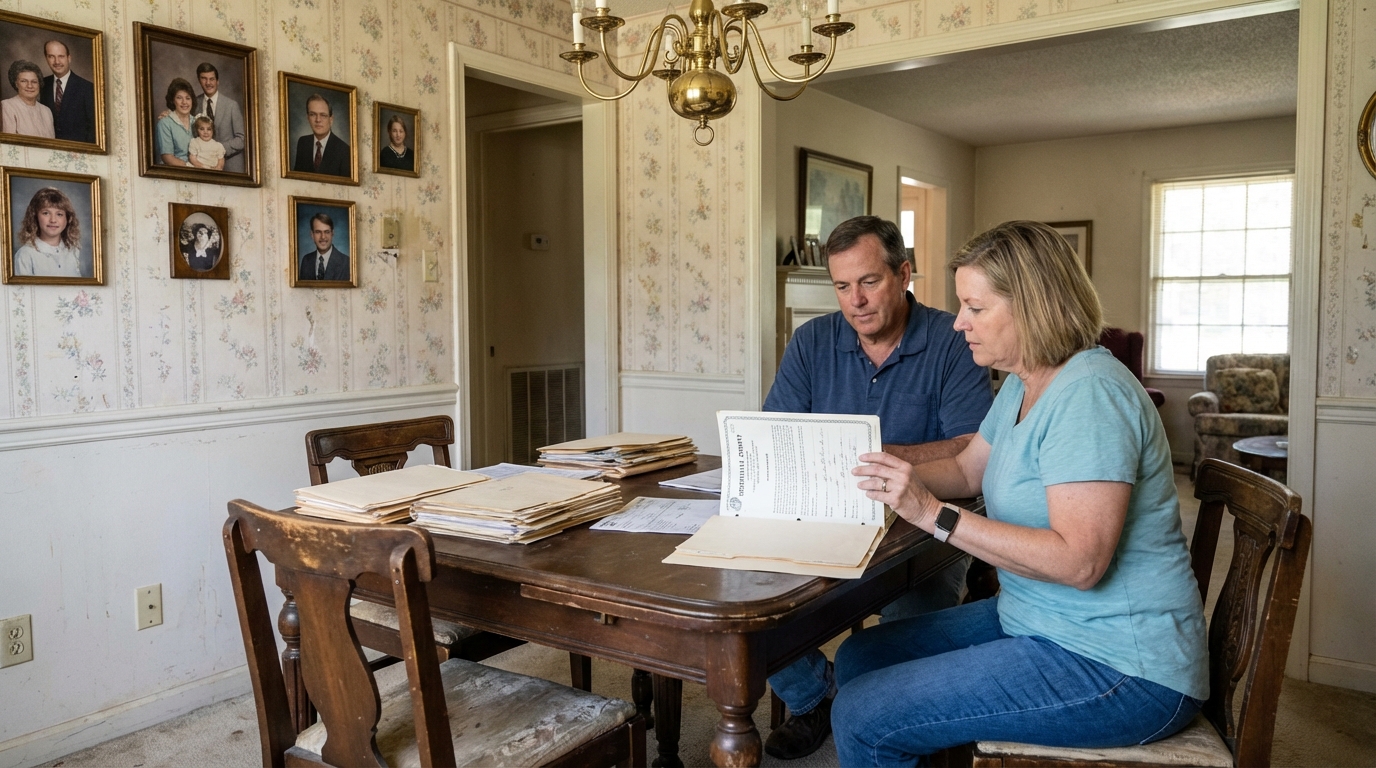
Losing a loved one is incredibly difficult. Amidst the grief, you may find yourself facing the unexpected responsibility of inheriting a house. If that property is in Greenville, South Carolina, you'll likely need to navigate a legal process called probate. This can feel overwhelming, especially if you live out of state or the house itself needs a lot of work.
We understand. This guide is designed to break down the Greenville, SC probate process for real estate into simple, understandable terms. Our goal is to give you the clarity and confidence to handle this challenging situation.
What is Probate and Why is it Necessary in Greenville County?
In simple terms, probate is the court-supervised process of settling a deceased person's estate. Its primary purpose is to ensure that any outstanding debts are paid and that the remaining assets, including real estate, are legally transferred to the correct heirs or beneficiaries.
In Greenville County, this process is handled by the Greenville County Probate Court. Even if there is a clear will, probate is usually required to officially validate it and grant the named executor (or 'Personal Representative' in South Carolina) the legal authority to act on behalf of the estate.
> Think of probate as the official changing of the guard for a property's title. It’s the legal mechanism that moves the deed from the name of your loved one into the names of the rightful heirs.
Key Steps in the Greenville, SC Real Estate Probate Process
While every situation is unique, the probate process generally follows a set path. Here are the main steps you can expect when dealing with an inherited house in Greenville:
1. Filing the Petition The process begins when the designated Personal Representative files the original will (if one exists) and a petition with the Greenville County Probate Court to officially open the estate.
2. Inventory and Appraisal The Personal Representative must create a detailed inventory of all the estate's assets. For real estate, this requires a formal appraisal to determine its fair market value. Whether the home is a historic property in the North Main area or a family home in Simpsonville, an accurate valuation is crucial for the court and for tax purposes.
3. Notifying Creditors & Paying Debts A notice must be published to inform any potential creditors of the person's passing. The estate is responsible for paying all legitimate debts—like mortgages, medical bills, or credit card balances—before any assets can be distributed to the heirs.
4. Managing the Property Throughout probate, which can take months or even over a year, the house is an asset of the estate. The Personal Representative is responsible for its upkeep. This means continuing to pay the mortgage, property taxes, insurance, and handling necessary maintenance. This can be a significant burden, especially for out-of-state heirs trying to manage a property in Taylors or Greer from a distance.
5. Selling the Property (If Necessary) If the house needs to be sold to pay debts or because the heirs have decided not to keep it, the Personal Representative may need to get permission from the probate court. A court-approved sale ensures the process is transparent and fair to all parties.
6. Final Accounting and Distribution Once all debts are paid and tasks are completed, the Personal Representative files a final accounting with the court. Upon approval, the remaining assets, including the title to the house, are formally transferred to the heirs.
A Simpler Path for Your Inherited Property
The probate process, with its timelines, court filings, and financial obligations, can be a heavy load to carry. Managing an empty house, coordinating repairs, and dealing with the uncertainty of a traditional real estate sale only adds to the stress. This is particularly true if:
- The house is outdated or needs significant repairs.
- You live out of state and can't manage the property easily.
- You and other heirs would prefer a quick, clean sale to divide the proceeds.
- You need to settle the estate's debts quickly.
If you're facing these challenges, selling the house for cash can be a straightforward solution. A cash sale can often happen in conjunction with the probate process (with court approval), providing the funds needed to settle debts and simplifying the final distribution for everyone involved.
Feeling Overwhelmed? We Can Help.
Navigating the Greenville probate process is complex enough without the added stress of managing an unwanted property. If you'd prefer to bypass the repairs, realtor commissions, and lengthy timelines of a traditional sale, we're here to offer a simpler alternative.
Central Valley REI helps families in your exact situation. We buy inherited houses in Greenville and the surrounding areas, as-is, for a fair cash price. Let us provide you with a no-obligation offer, giving you a clear, fast, and certain path forward so you can focus on what matters most. Contact us today to learn more.